Architecturally Exposed Steelwork
When the steel is the architecture - AESS-grade fabrication and installation for visible-steel buildings, exposed beams, feature frames, and see-through engineering.


What we deliver.
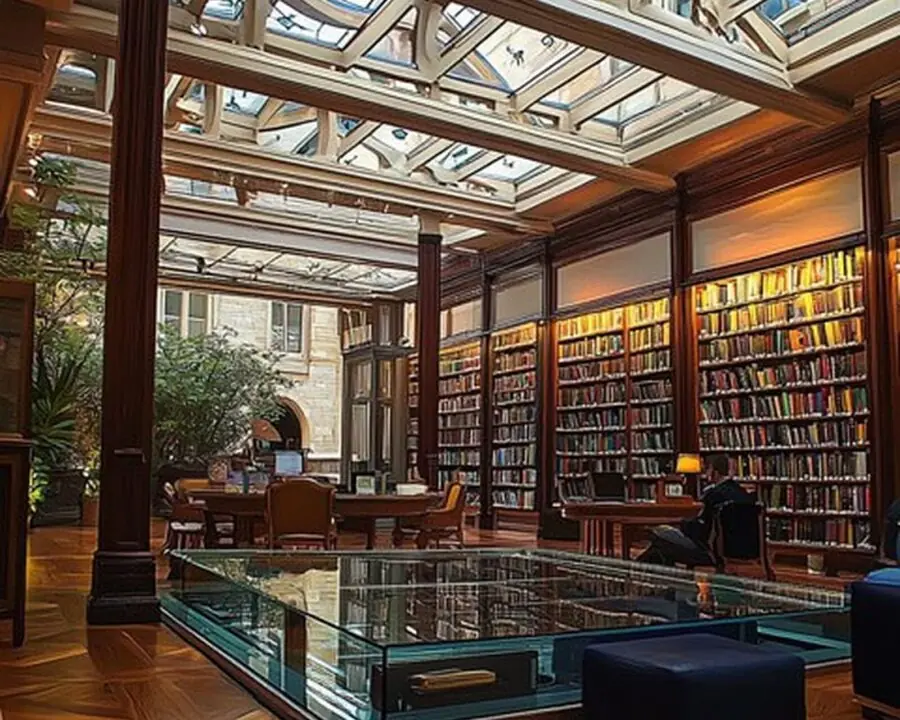
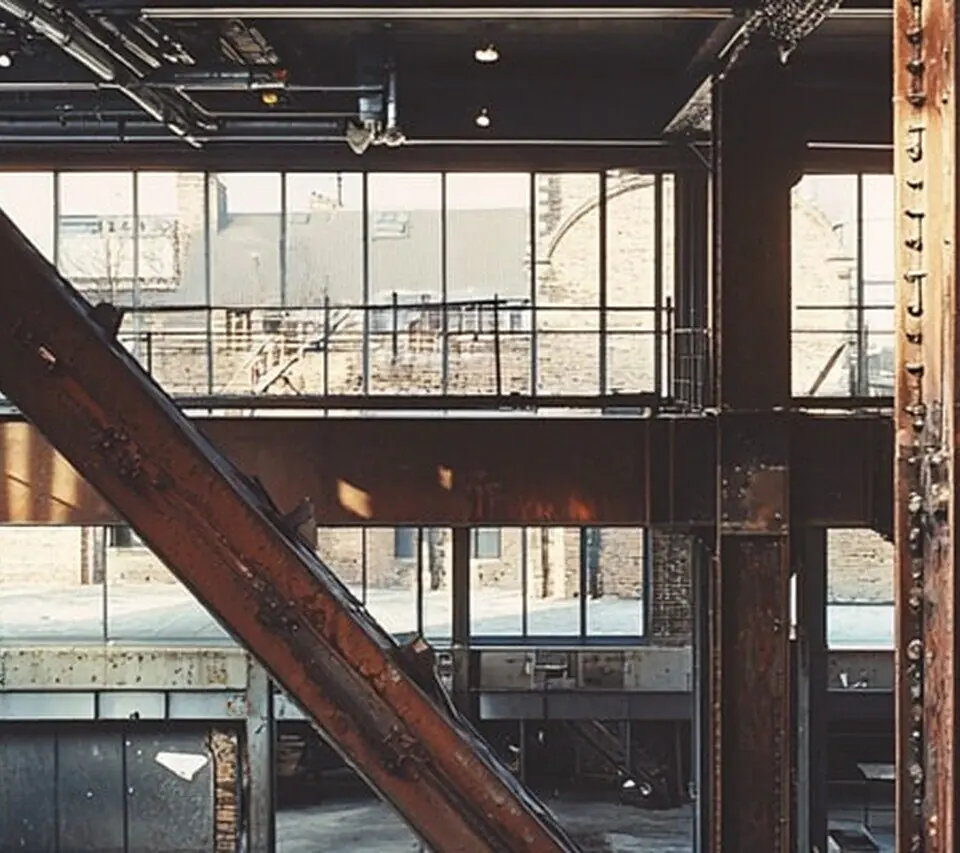
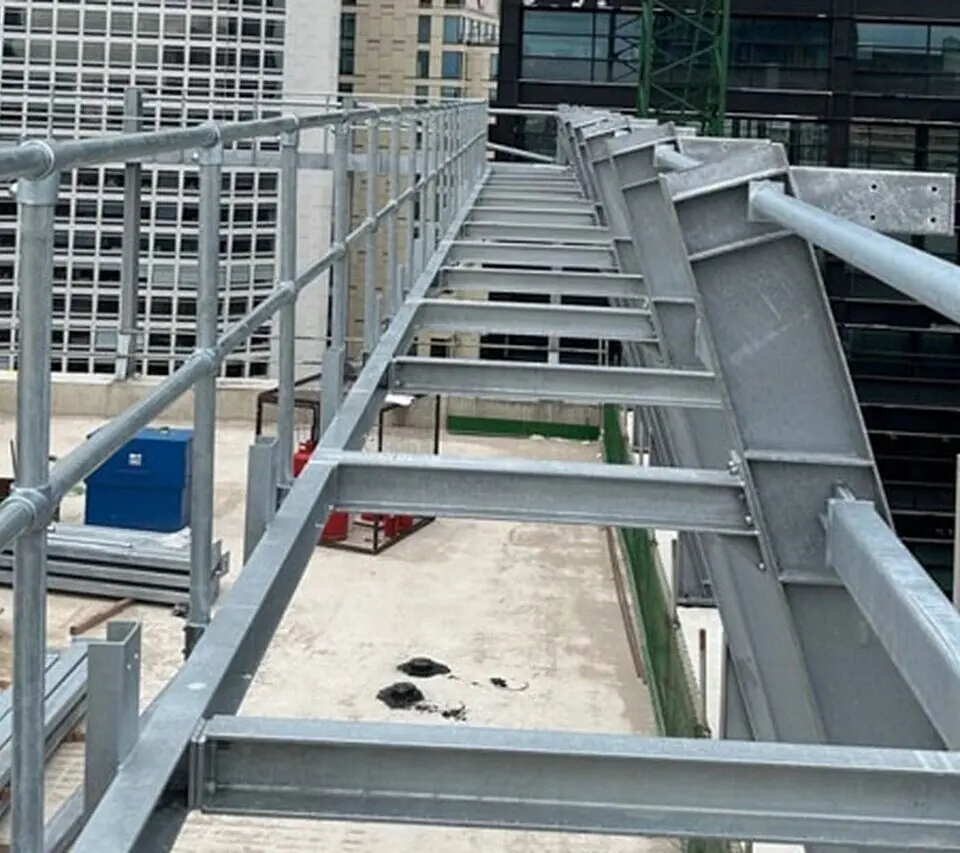
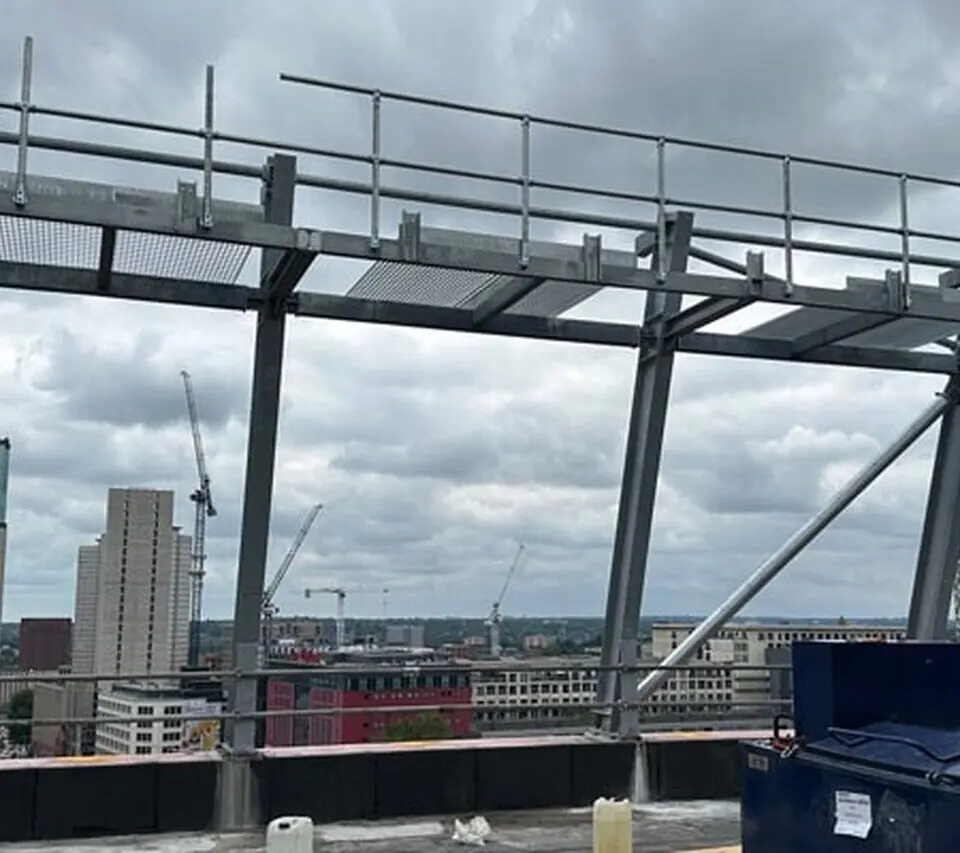
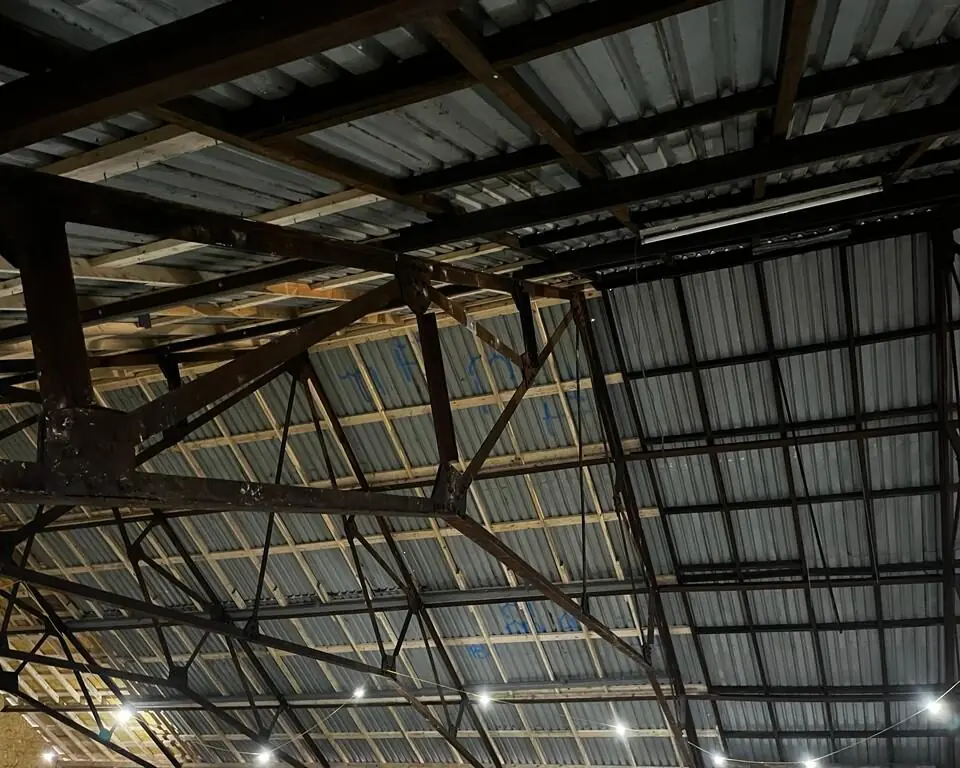
Architecturally Exposed Structural Steel (AESS) is structural steelwork where the welds, the plate edges, the fixing detail, and the connection geometry are all on show. Tolerances tighten by an order of magnitude over hidden structural; finish quality has to survive scrutiny at hand-reach distance, not roof-level viewing.
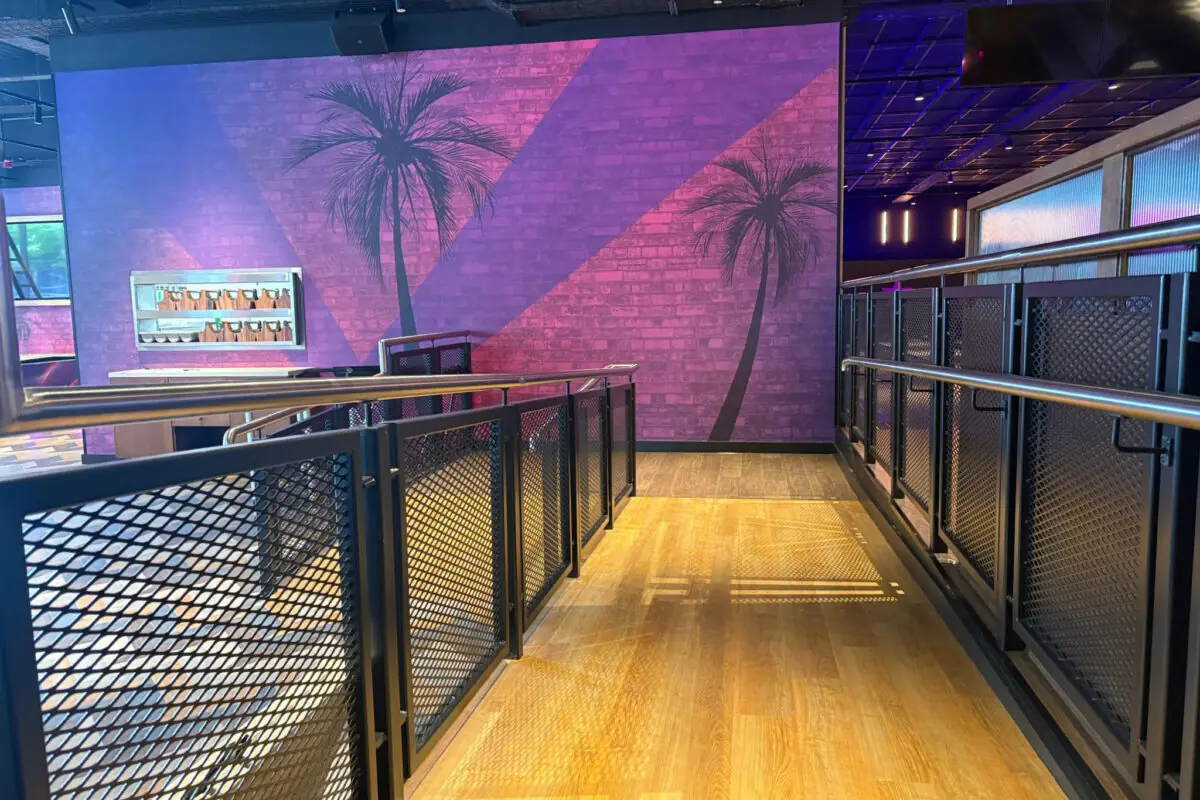
We fabricate AESS packages to the AISC Code of Standard Practice AESS categories and the SCI P373 Architecturally Exposed Structural Steelwork design guide - with Tekla modelling, weld sequences reviewed against distortion risk, grind-and-polish specifications written into the fabrication plan, and protected-finish storage through to site delivery. As an example, the PVD-coated brass structural glazed balustrade we installed at the Botree Hotel London was a standout project - structural steel with architectural finish requirements running through the same accountable team that handles hidden structural work.
What we make.
Every project follows the same certified workflow - so you get the same outcome whether we're making one beam or a thousand.
AESS categories - AISC and SCI P373
We fabricate across AESS categories 1-4 per the AISC Code of Standard Practice, and design to the Steel Construction Institute P373 guide. Category selection follows architect intent: basic AESS 1 for visible plant-room steel, through to AESS 4 for hand-reach lobby feature frames where every weld is visible.
Weld-sequence control for distortion
AESS welds run to specified distortion tolerances, which means sequence planning before fabrication - not 'weld it and straighten after.' Welders individually qualified to BS EN ISO 9606, weld procedure specifications for every connection type, and grind-and-polish finishes specified in the fabrication plan rather than left to the welder's judgement on the shop floor.
Finish discipline through to delivery
AESS finish quality fails at handling, not at welding. Protected storage between fabrication and paint, paint-cell protocols with our coordinated painting partners, protected transport to site, and on-site touch-up discipline - plus our site crew knows they're handling AESS-grade steel, not frame steel.
Architect and engineer coordination
Tekla model shared with the architect and structural engineer, weekly coordination calls, connection detail mock-ups where the finish is critical, and sample panels agreed before full fabrication. The commercial team joins AESS tender-stage conversations as a matter of course - the spec detail matters too much to handle through a sales intermediary.
Craftsmanship. Accountability. No shortcuts.
No subcontracted welders. No outsourced site crews. Every project from 3D model to final torque-check is handled by a certified UIS team from our Rotherham facility.
Tour our workshop
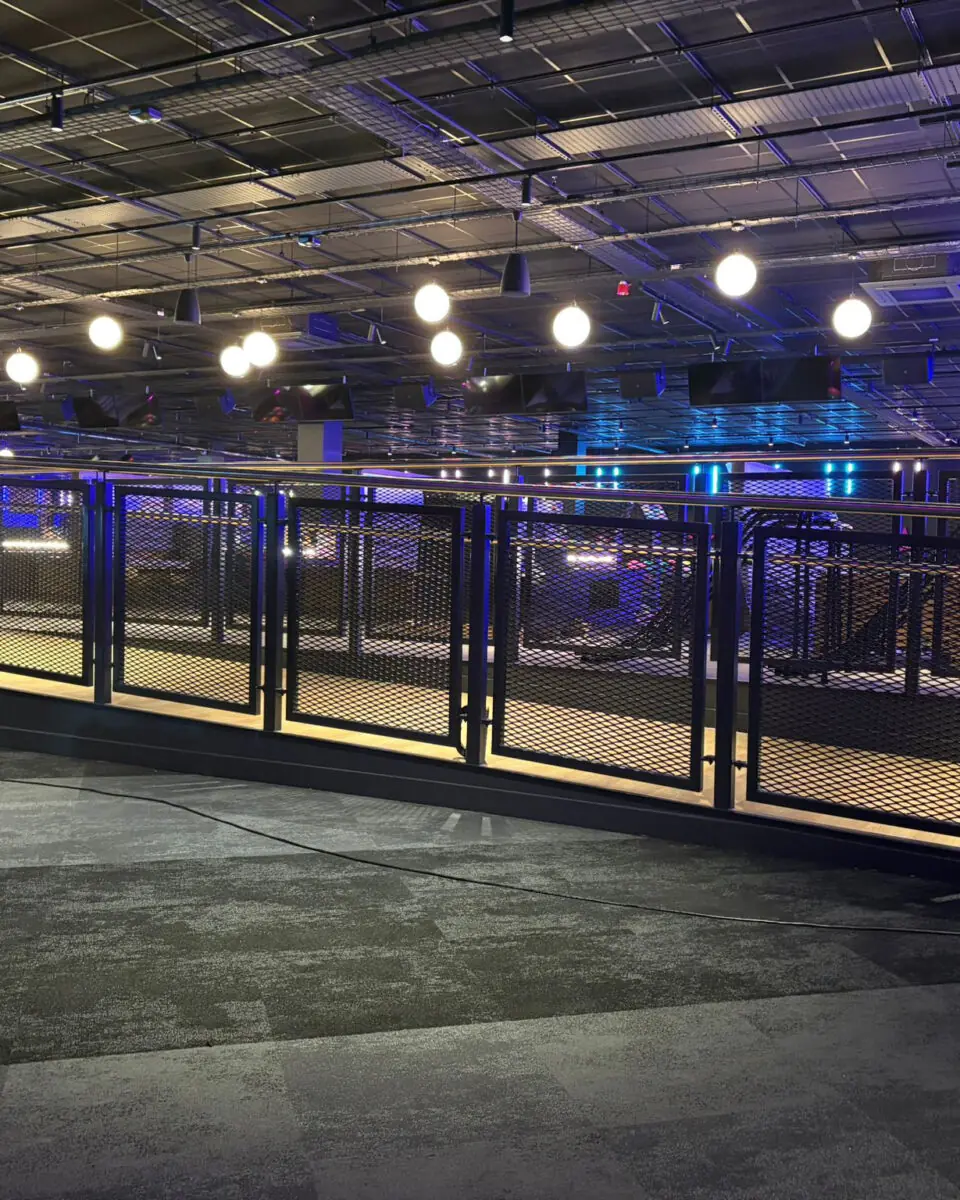
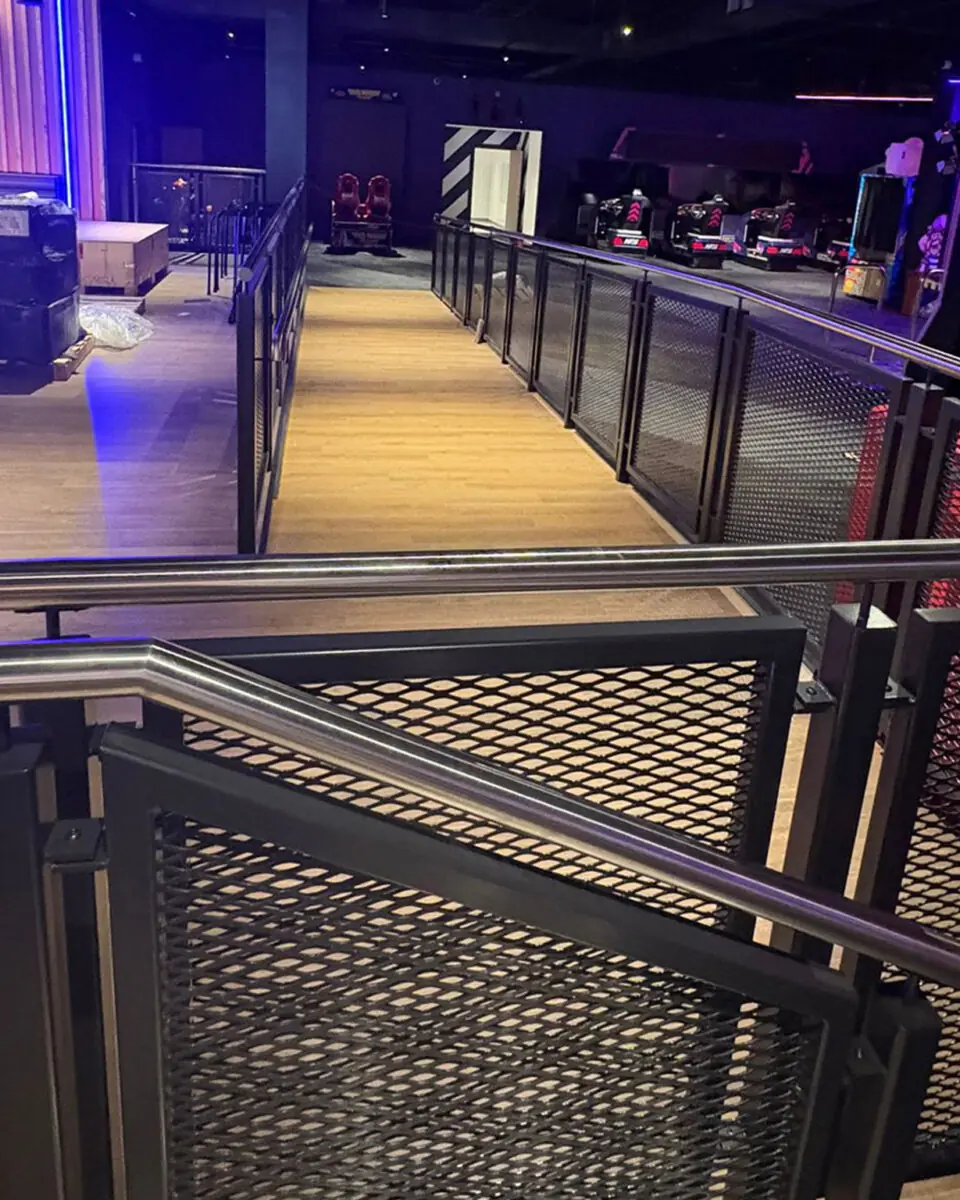
Project & sample images.
← Drag / swipe to browse · click to expand →

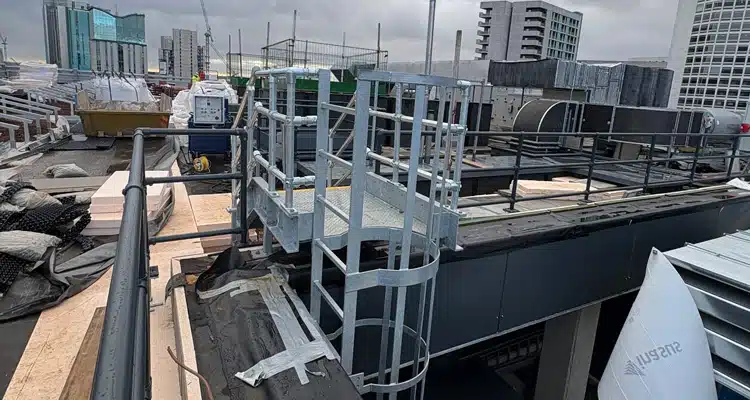
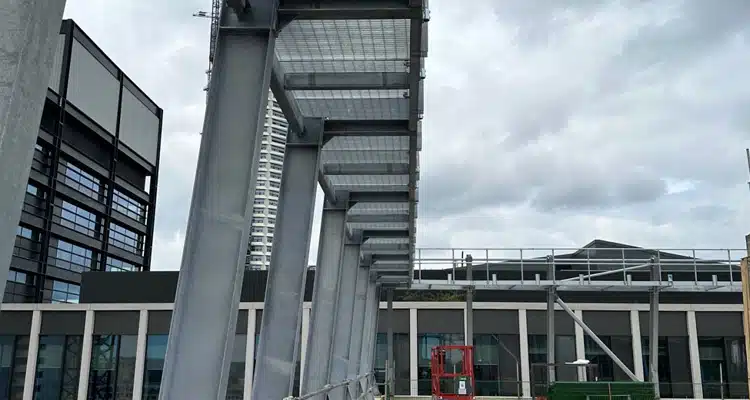
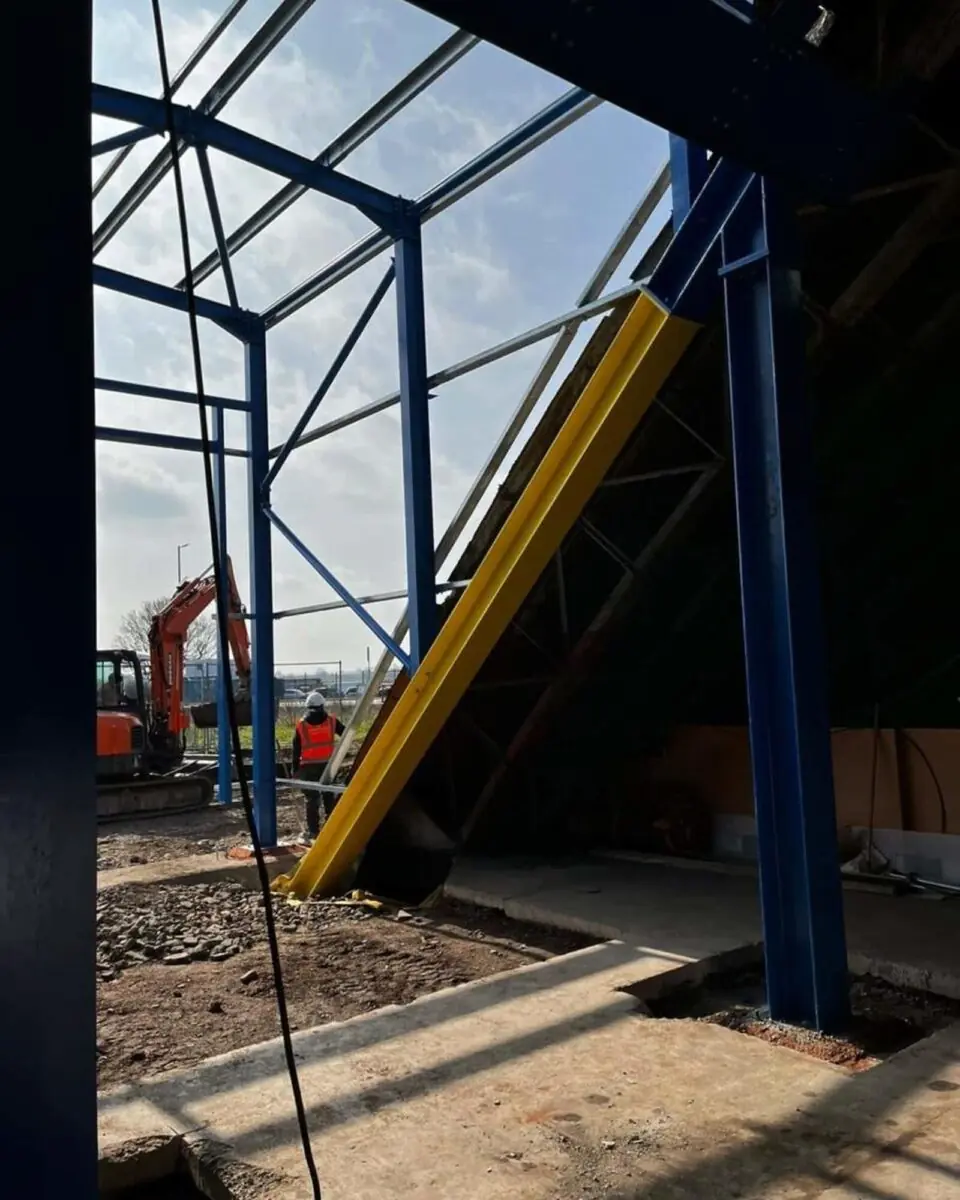
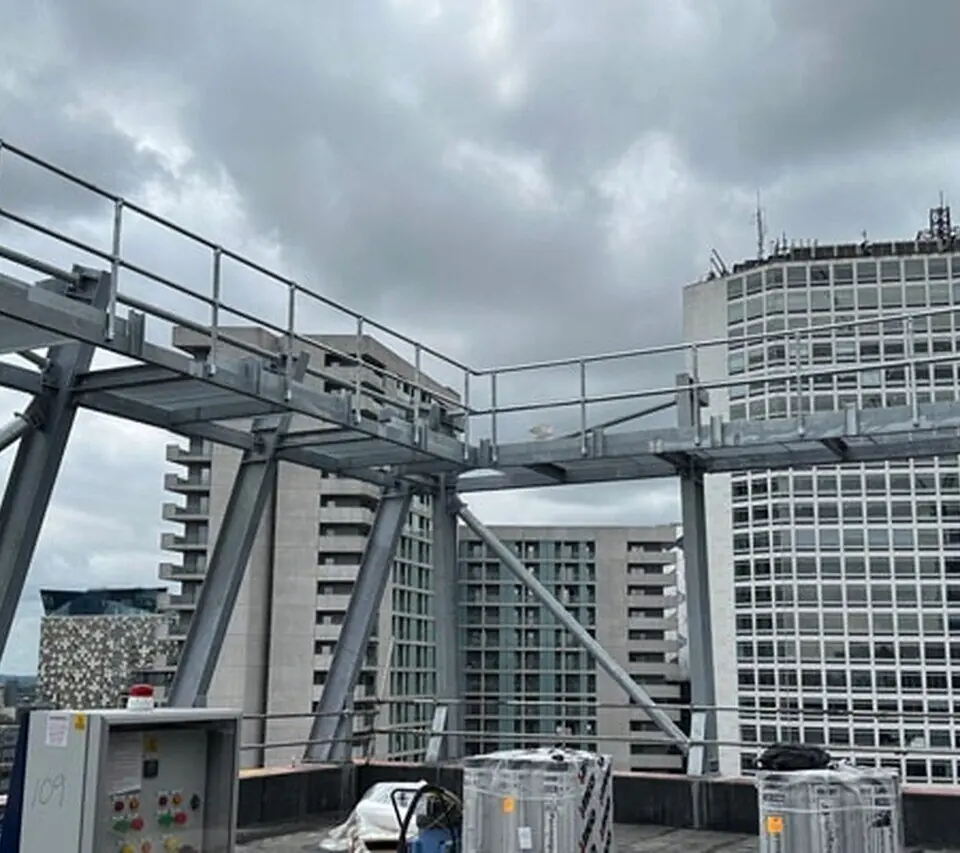
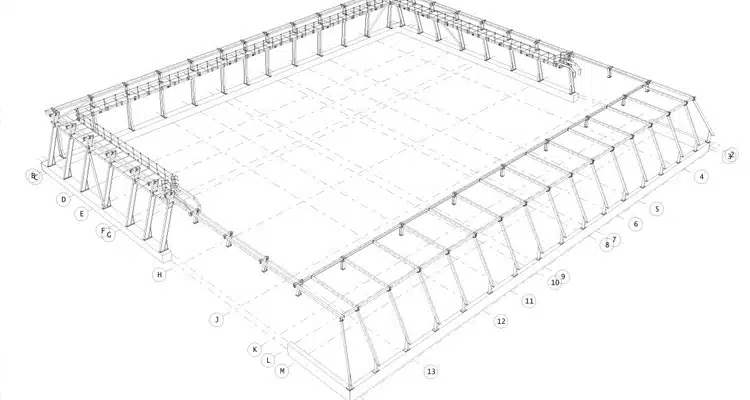
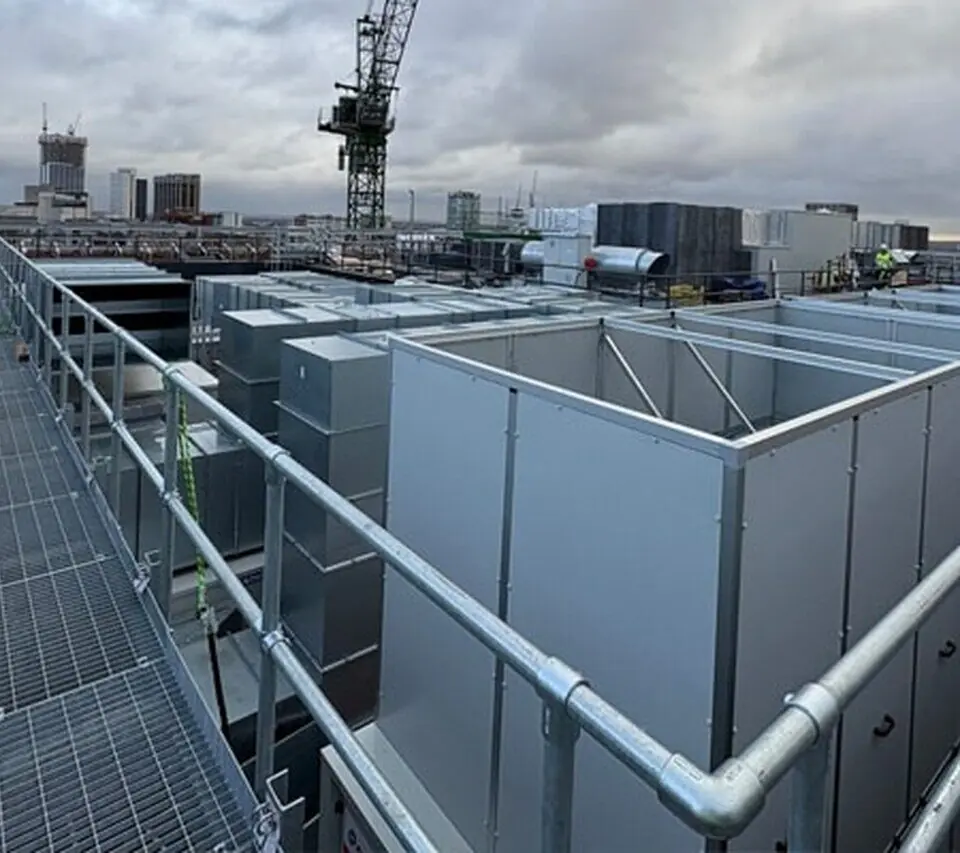
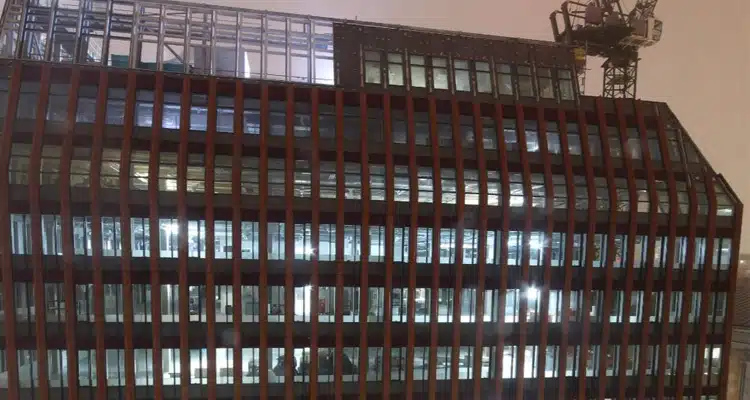
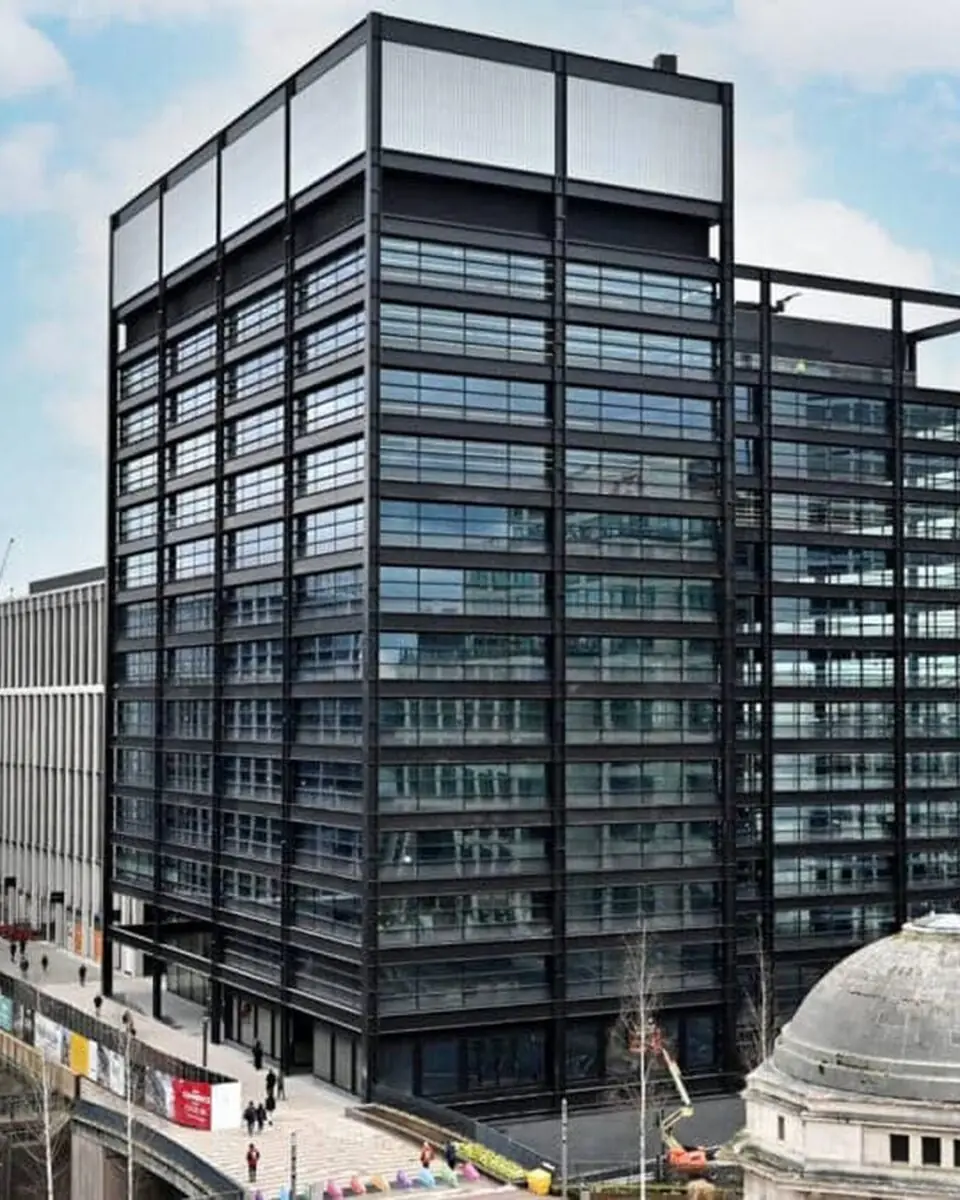
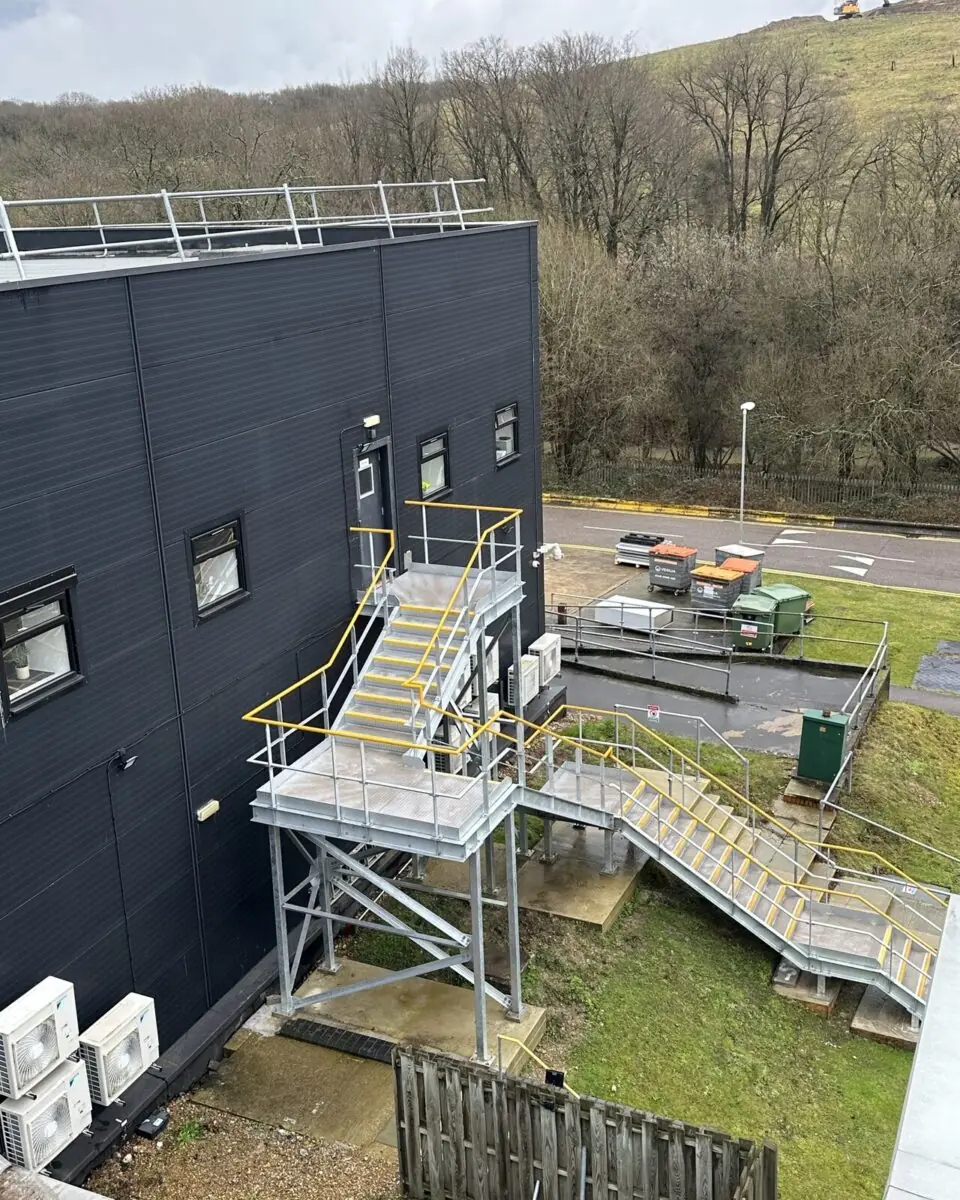
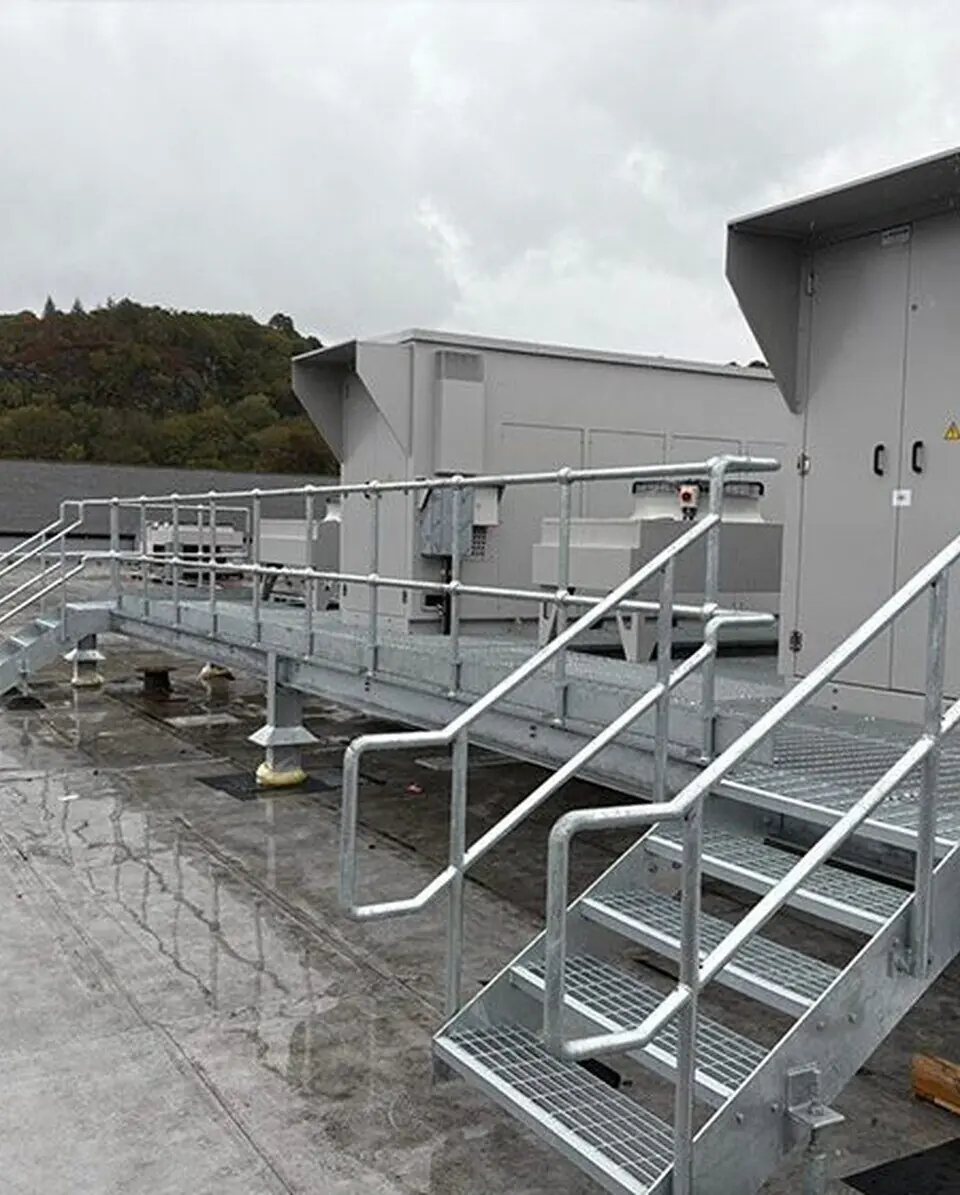
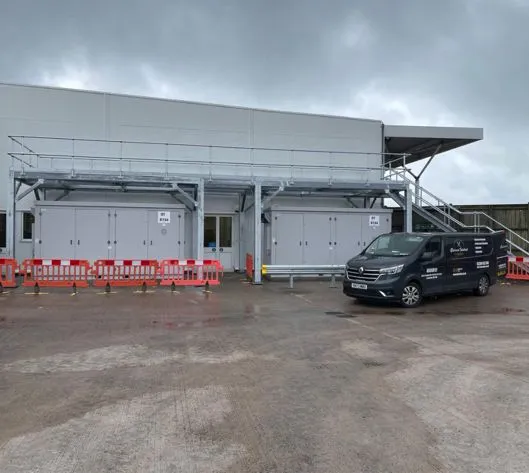
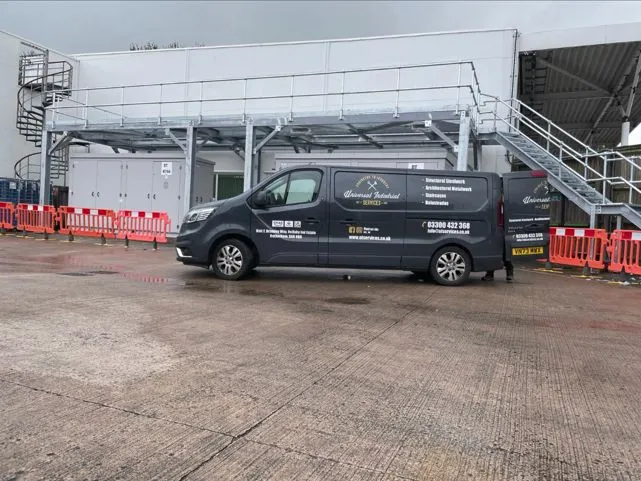
Four reasons we stay on your shortlist.
The same four reasons come up whether you're a tier-one contractor, architect or self-builder.
About UIS-
01
Accreditations & compliance
BS EN 1090 Execution Class 2. CHAS Elite, Alcumus SafeContractor, ISO 9001. Every project ships with a full QA pack.
-
02
Experience & capabilities
Thirty years in business. Drawing board to torque-check happens in-house - no split accountability.
-
03
People & values
CSCS operatives. Coded welders. Chartered draughtsmen. A family firm that treats your project like their own.
-
04
Innovation & sustainability
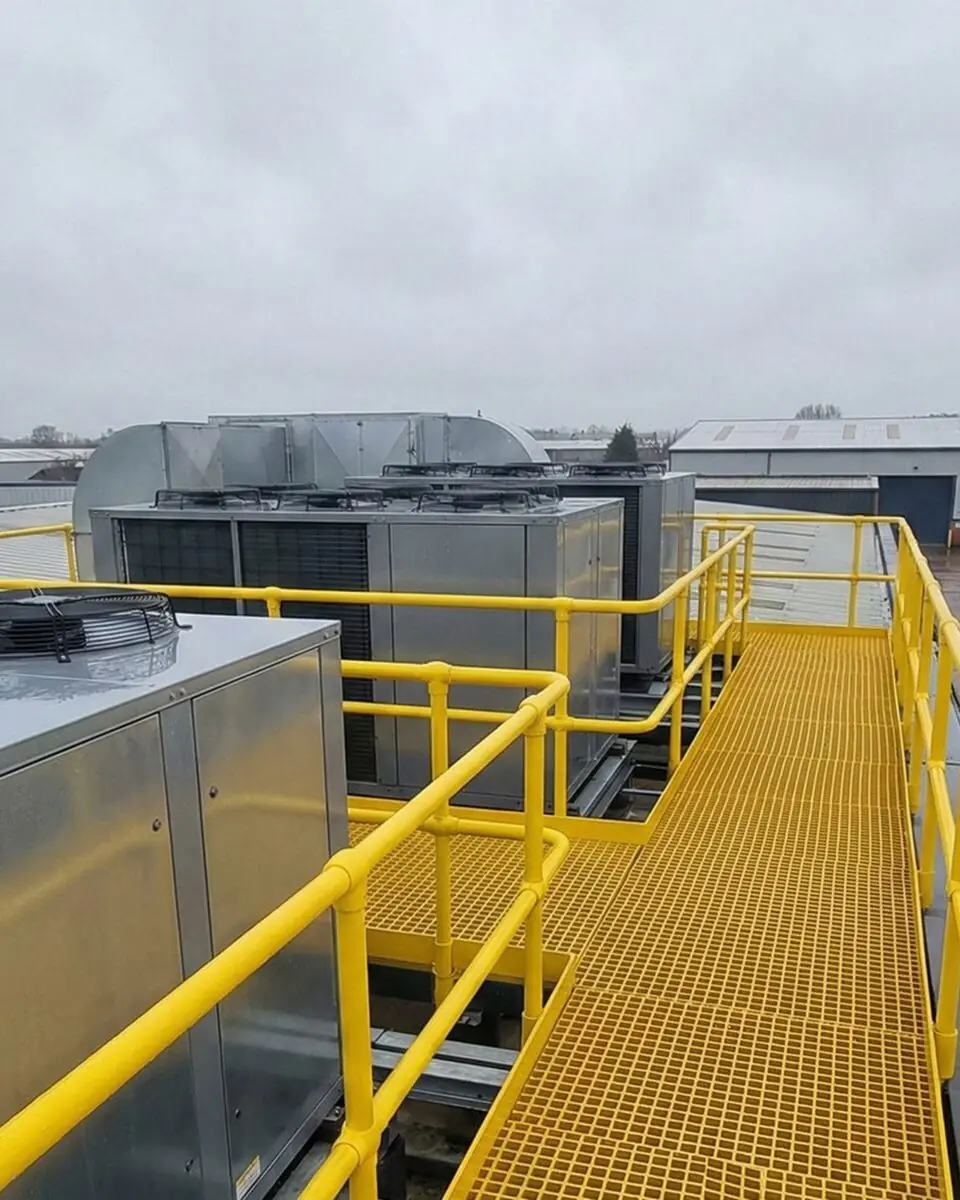
Tekla 3D modelling. Automated welding cells. GRP composite solutions where steel isn't the right answer.

"I've worked with UIS for several years on some high profile and very complex projects. Their attitude and work ethic are second to none - providing high quality services and products which are delivered safely and on time every time. Overall they are a pleasure to do business with and wouldn't hesitate recommending UIS for any steelwork or metalwork packages."
Questions clients ask us.
Depends on viewing distance and visibility. AESS 1 is basic exposed structural - visible, but not scrutinised at hand-reach. AESS 2 adds improved finish. AESS 3 is showpiece structural in a public area at viewing distance. AESS 4 is hand-reach scrutiny - lobby features, entrance canopies, feature stair stringers. Cost climbs at each step. We walk the spec through at design stage against architect intent.
Weld sequence written into the fabrication plan before welding starts - symmetric deposition, balanced heat input, jigging where required, and post-weld straightening allowances built into the dimensional tolerance. Welders individually qualified to BS EN ISO 9606, WPS documentation per connection type, and visual inspection at each sequence stage rather than end-of-fabrication.
Yes - grind-flush, flush-polish, and mirror-polish finishes available per AESS category. Fully invisible welds require the welder to produce a weld that sits within the parent metal's tolerance before grinding, which is achievable with the right welder, the right process (usually TIG for AESS 3/4), and the right procedure. Sample welds are produced and signed off before full fabrication.
Protected storage, protected transport, and protected site handling - plus a separate pre-handover clean and touch-up phase built into the installation programme. AESS finish damage typically occurs between workshop gate and site, not in the workshop itself. That interval is where most AESS packages fail, so it gets disproportionate attention in our handling plan.
Recent project deep-dives.
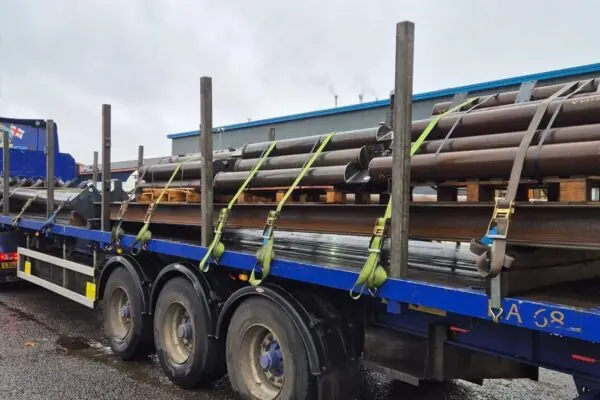
Reclaimed Structural Steelwork Project London November 2025
Our mild steel workshop has been busy this week fabricating and welding the structural steelwork for a unique project we have on down in Lon...
Read case study →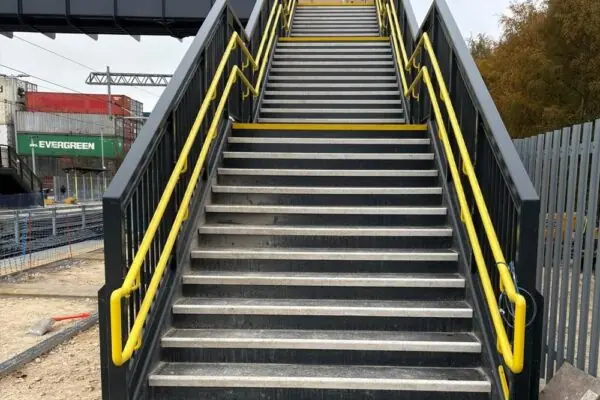
Stainless Steel Powder Coated Handrails with LED Lighting December 2025
Another successful project completed and handed over! ✅ 😘 Our client requested ourselves to supply and install the stainless steel p...
Read case study →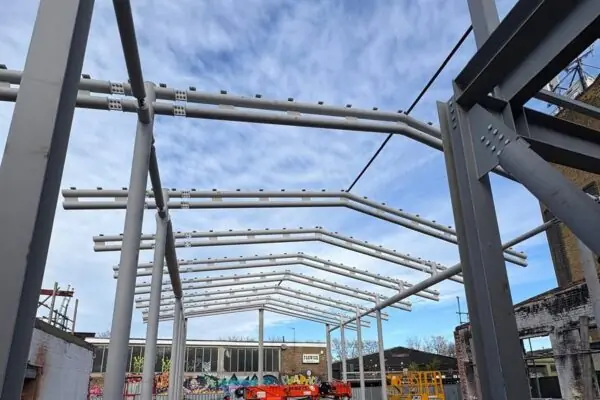
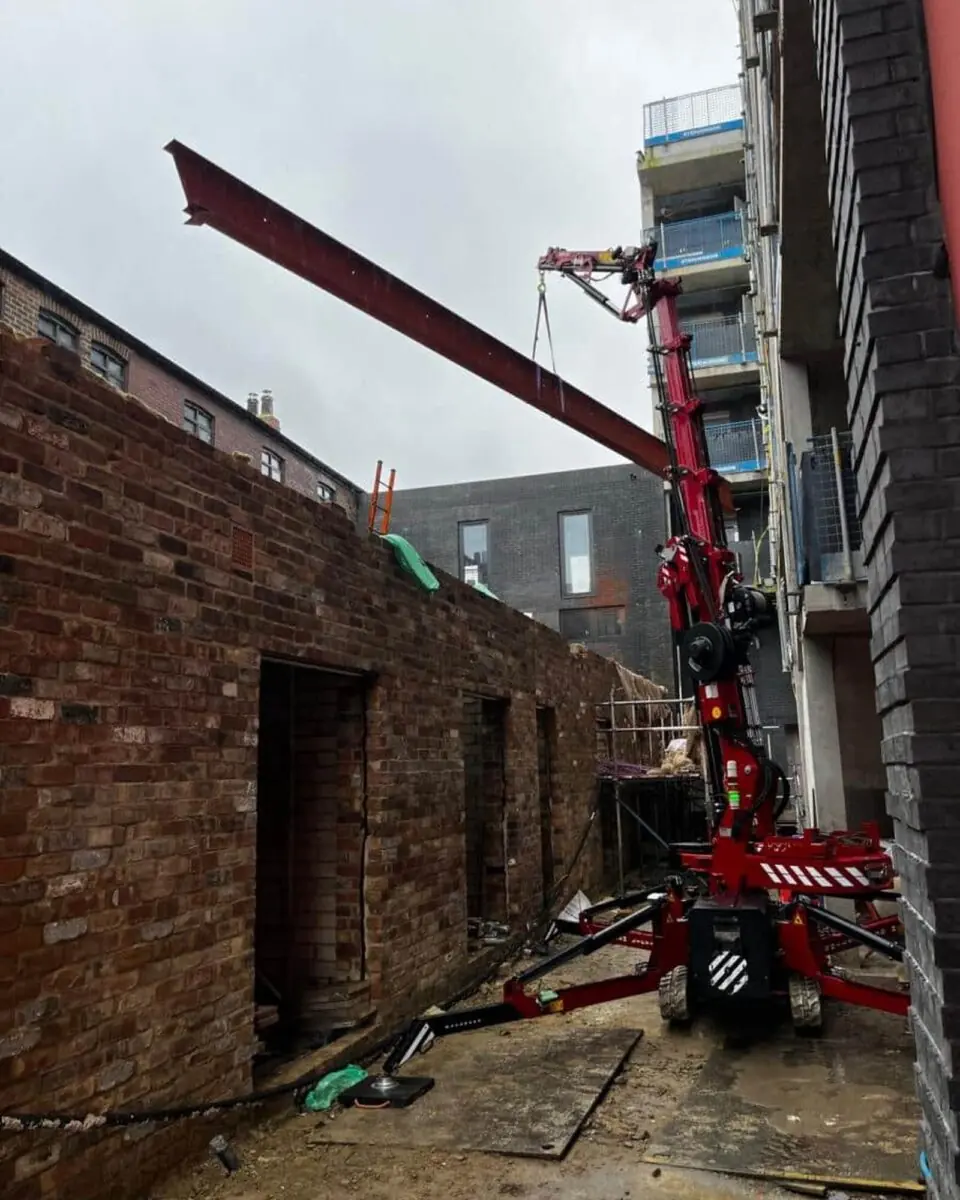
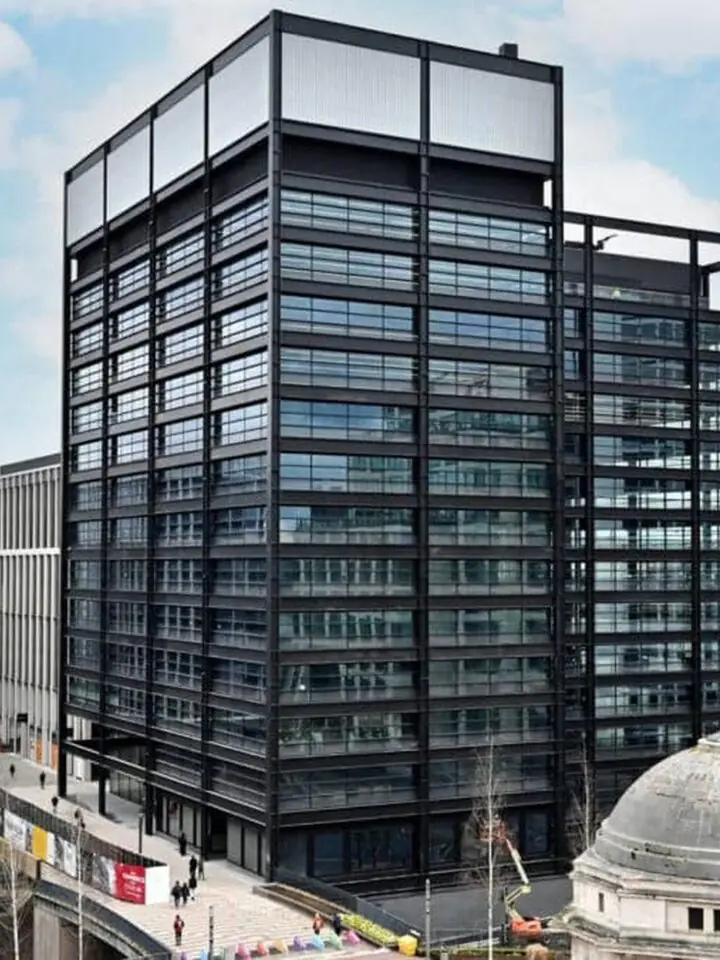
Large Steel Construction and Erection Project London December 2025
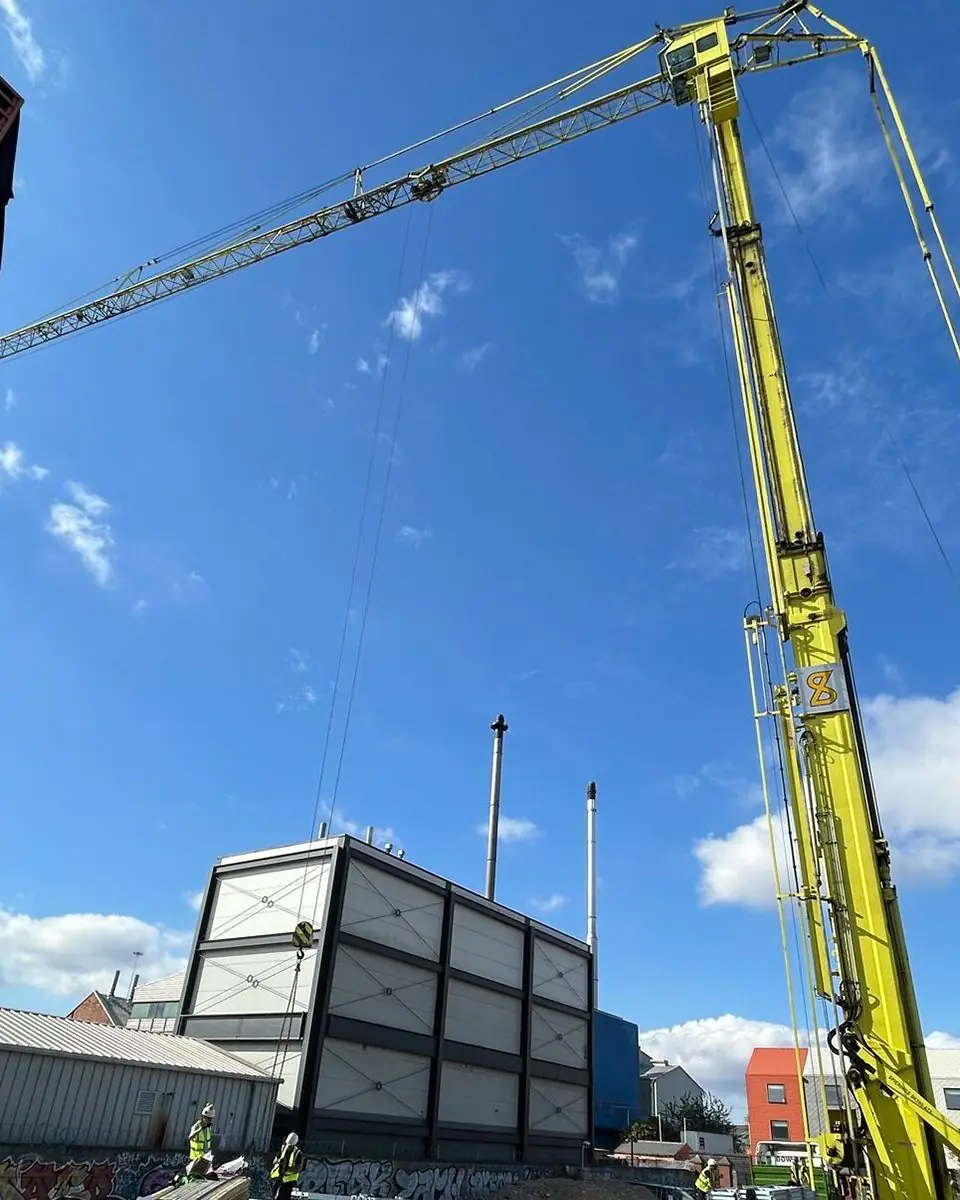
We are proud to share that our team has successfully completed and installed another high-quality steelwork package right in the heart of Lo...
Read case study →