GRP for Substations and Power Sites
GRP is used on substations and power sites for platforms, ladders and fencing, because it does not conduct electricity. At UIS, we design, fabricate and install GRP for power sites, using our own site teams.


Why use GRP on a substation?
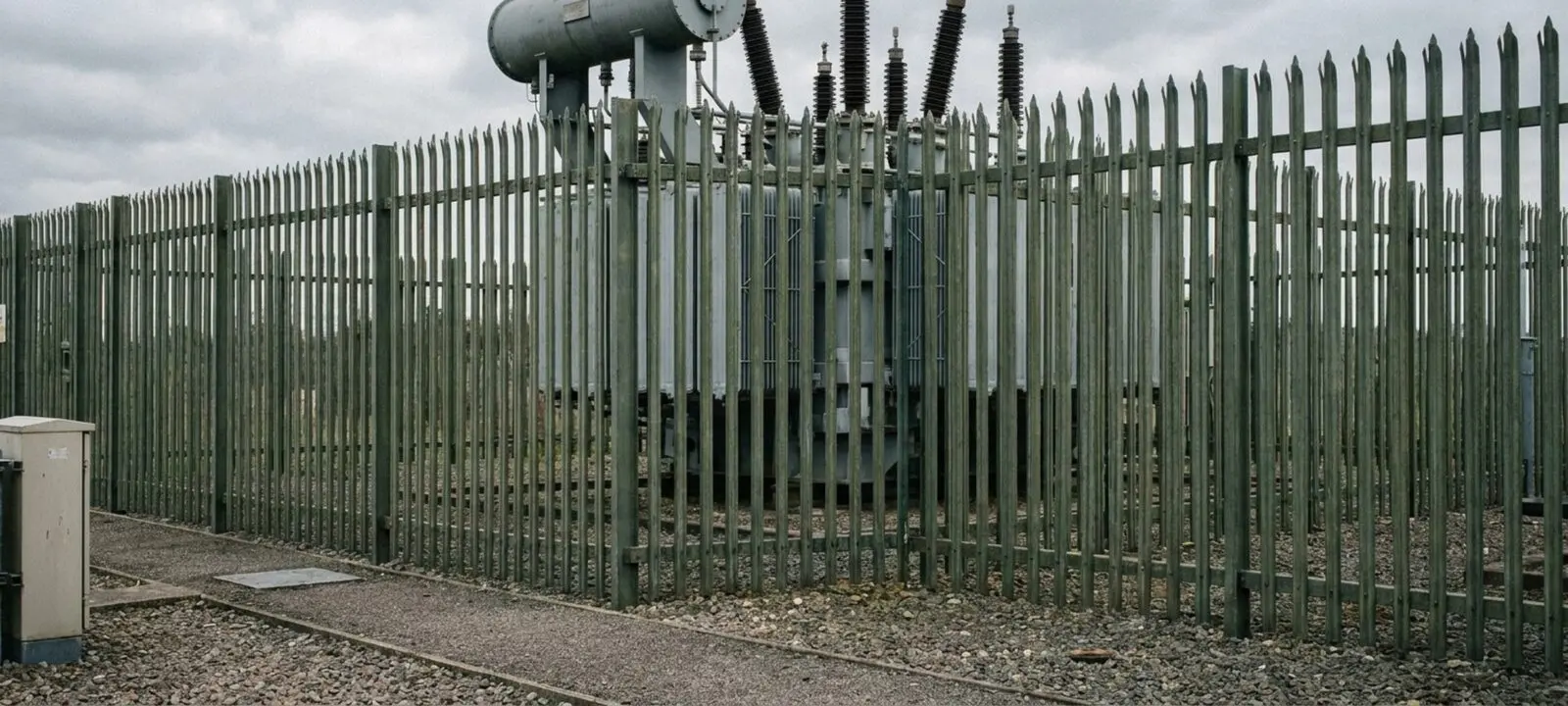
GRP is used on substations because it does not conduct electricity. GRP platforms, ladders and handrails near live equipment are not part of the electrical path, and GRP palisade fencing keeps conductive metal out of the perimeter.
If you are building platforms and ladders around live equipment, or a fence beside it, every piece of metal near that equipment has to go into your electrical engineer's design. GRP takes the platforms, ladders and fencing out of that question.
-
Does not conduct
GRP platforms, ladders and handrails near live equipment are not part of the electrical path.
-
Fencing as well as platforms
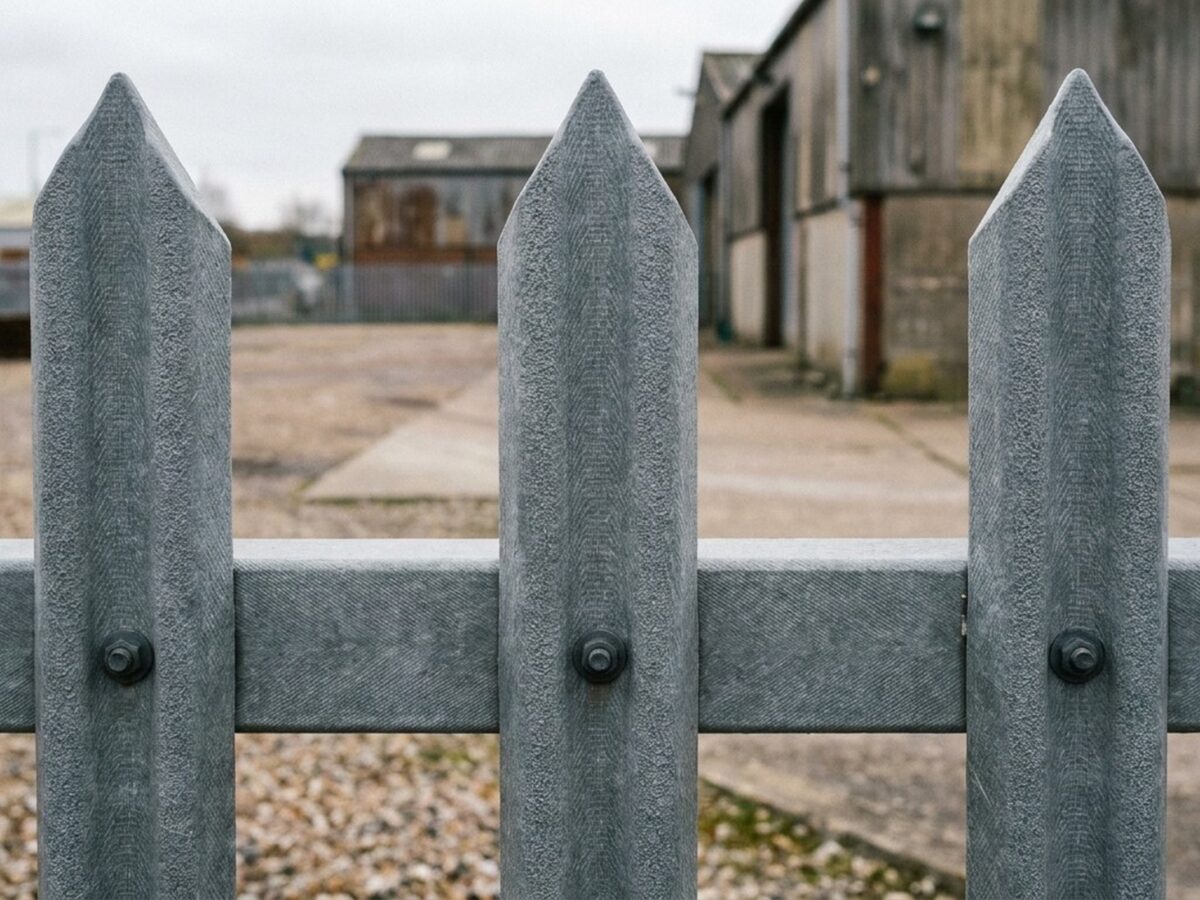
We supply and install GRP palisade fencing and gates as well as the platforms and ladders inside the compound.
-
Built to your engineer's clearances
Your electrical engineer sets the clearances and the earthing design, and we build the platforms and fencing to match.
What we build on power sites
What we build on substations and power sites, the rules that apply, and how GRP compares with steel.
- Equipment platforms
- GRP grating platforms with stairs and guardrails
- Set by: The clearances your electrical engineer sets
- Step-overs
- GRP stairs over cable routes and trenches
- Set by: What is being crossed and how often
- Fixed ladders
- GRP ladders, with rest platforms on long climbs
- Set by: The height and how often the ladder is used
- Palisade fencing and gates
- GRP palisade on GRP or steel mountings, with matching gates
- Set by: The perimeter design and security level you specify
- Trench covers
- GRP grating cut to cover cable trenches
- Set by: The load your engineer sets
- Electricity at Work Regulations 1989
- The duty to prevent danger from electricity, covered by your safe system of work
- Source: legislation.gov.uk
- Work at Height Regulations 2005
- Guarded platforms and ladders where work at height cannot be avoided
- Source: legislation.gov.uk
- BS EN ISO 14122
- Platforms, walkways, stairs, guardrails and fixed ladders for access to plant
- Source: BSI (check the current edition)
This is general information, not electrical safety advice. Your electrical engineer and your site rules set the clearances, earthing and permits.
How GRP compares with steel near live equipment
Steel
- Electricity
- Conducts, so it goes into the earthing design
- Outdoors
- The coating has to be maintained
- Best for
- Long spans and heavy loads
- Check first
- The coating system and how it will be maintained
GRP
- Electricity
- Does not conduct
- Outdoors
- Does not rust; check the UV grade for exposed sites
- Best for
- Platforms, ladders and fencing near live equipment
- Check first
- The fire grade and the loads your engineer sets
We price power-site work from a survey or your drawings. These are the main things that affect the price:
- the platforms, stairs and ladders needed
- the length of fence and the number of gates
- the ground and how the posts are fixed
- site access, permits and outage windows
- working hours
Our GRP product pages
Each of these has its own page with the full specification.
- GRP access platformsRaised access to plant, or crossing pipework and upstands
- GRP laddersFixed access up a structure
- GRP palisade fencingA non-conductive, corrosion-free perimeter
- GRP safety barriersGuarding around drops, hazards and live plant
- GRP cable traysCable containment in corrosive or electrical areas
From survey to handover.
We survey, detail, fabricate and install the GRP ourselves, so one company is responsible for the whole job.
Survey and measure
We survey the compound and the routes to the equipment with your site team, and agree the clearances your electrical engineer has set. On an existing structure we can 3D-scan it, so our drawings match what is on site.
Drawings and quotation
Our draughtsmen detail the GRP and any support steelwork to the loads your structural engineer gives us. We then send an itemised quotation that includes fabrication and installation. On major commercial packages the quotation comes back within 1 to 2 weeks.
Fabrication
We fabricate the support steelwork and cut the GRP panels and sections to size in our Rotherham workshop, so most of the cutting is done before delivery.
Installation
Our own site team installs the GRP under an SSSTS-qualified supervisor, to a method statement written for the job. We cut the GRP to size in our workshop, so there is little cutting on site. Where a panel does need trimming, we cut it with a diamond blade under dust extraction, away from live areas where possible, and no hot-works permit is needed.
Handover
At handover we give you the O&M pack, with the manufacturer's test data for the products we installed. The 12-month defect liability period runs from practical completion, in line with standard JCT terms, unless your contract sets different terms.
Why GRP suits power sites
GRP platforms, ladders and fencing do not conduct electricity and do not rust outdoors. They also weigh roughly a fifth of the steel equivalent, so our team can carry them in where plant cannot reach.
Request a quote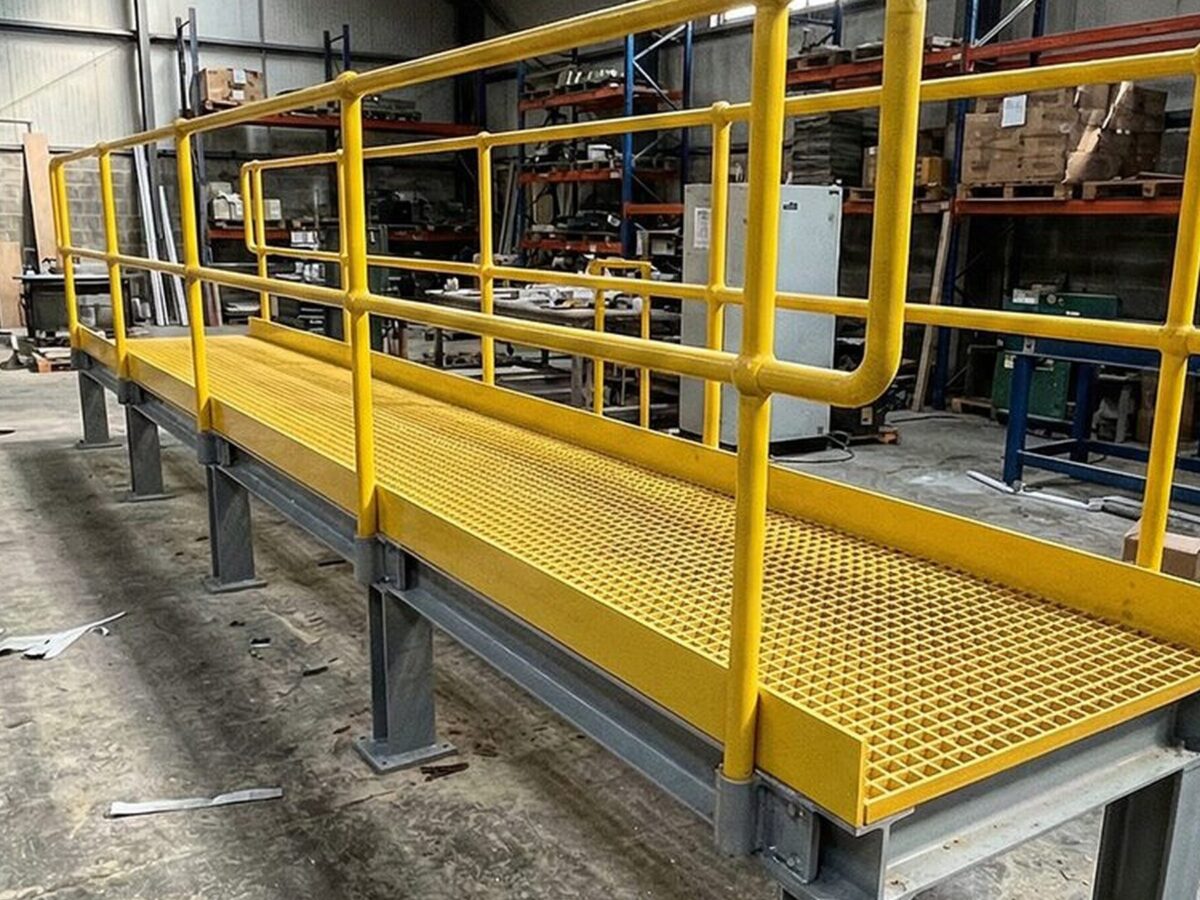
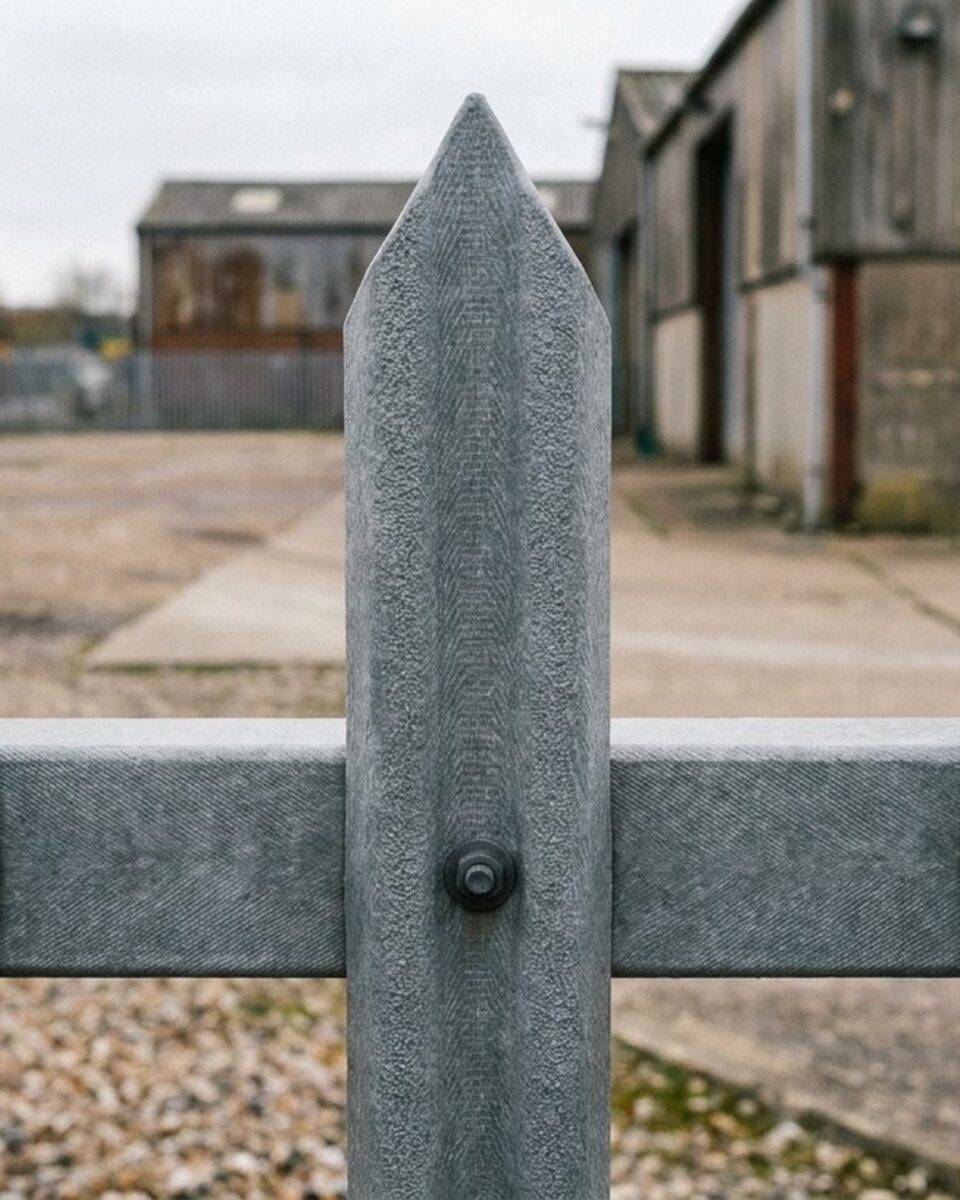
Palisade lines and gates.
← Drag / swipe to browse · click to expand →
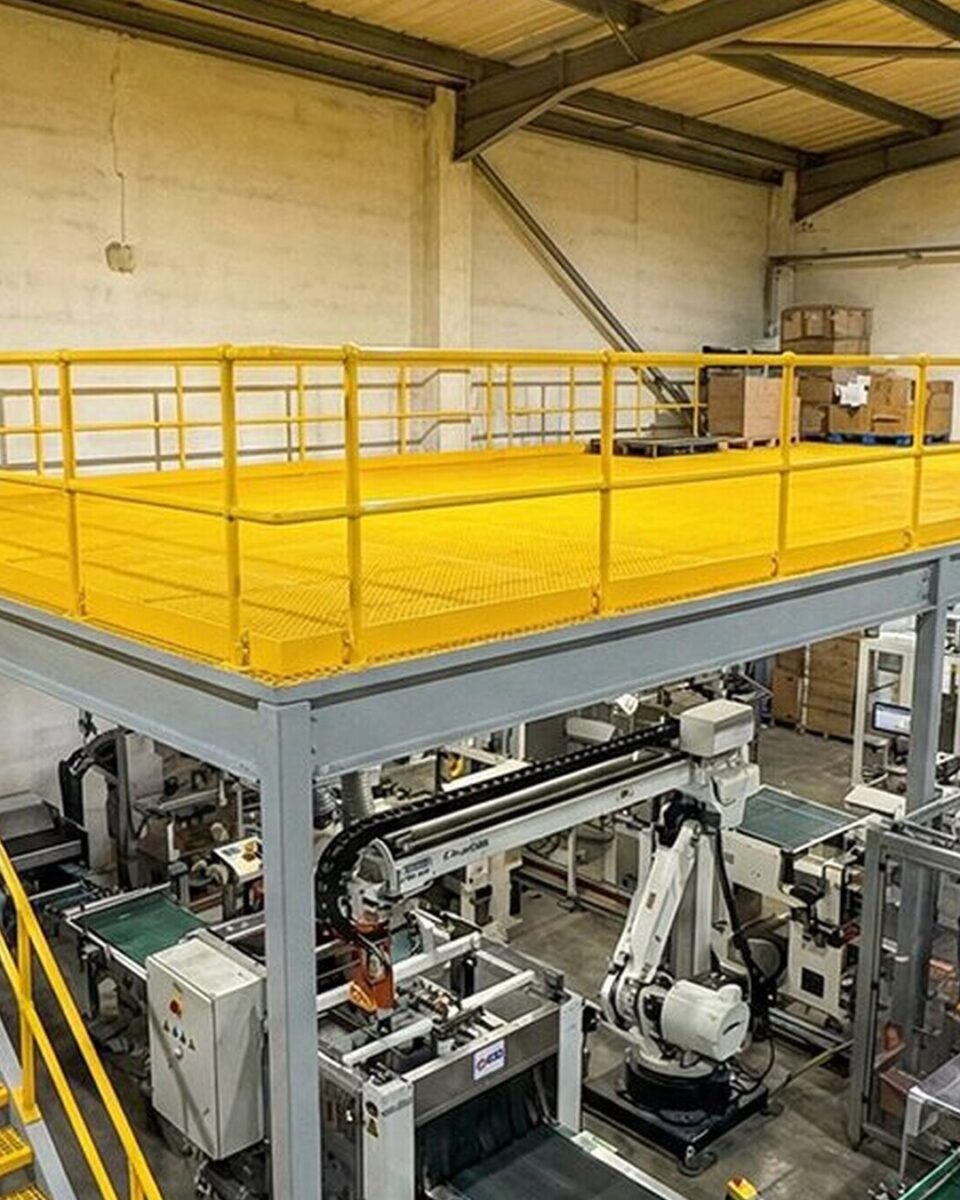
Where we use GRP on a power site
These are the main places GRP goes on a substation or power site.
About UIS-
01
Platforms and step-overs at equipment
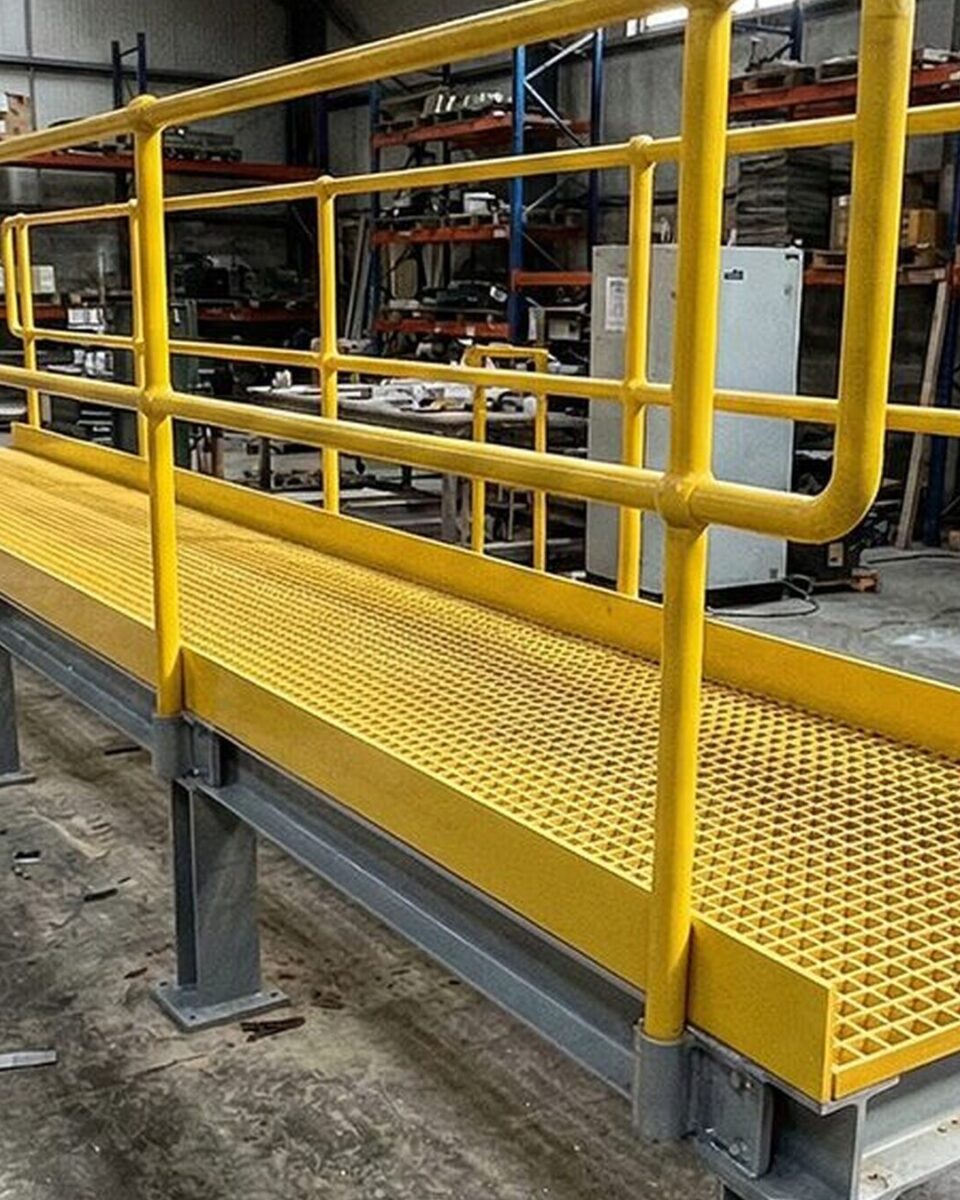
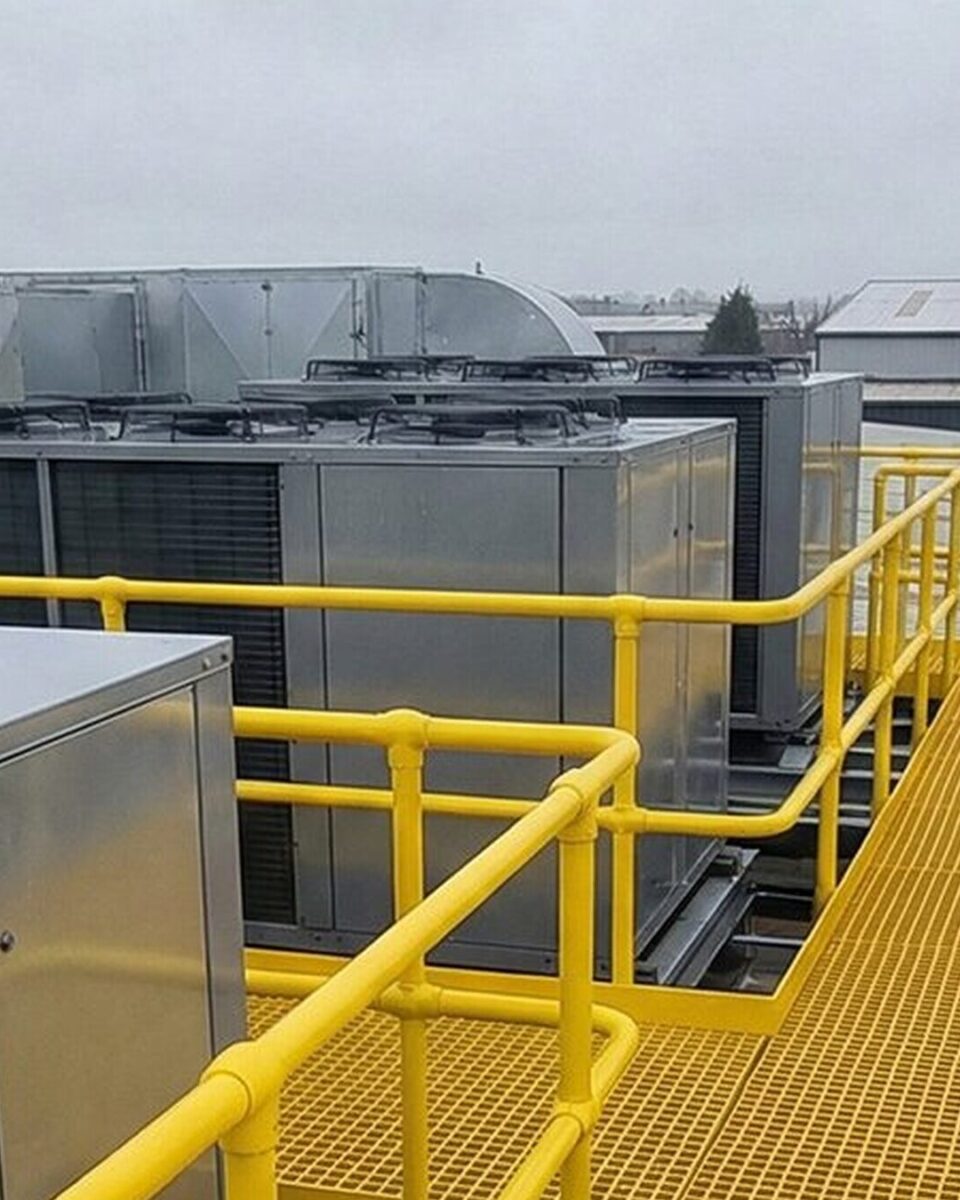
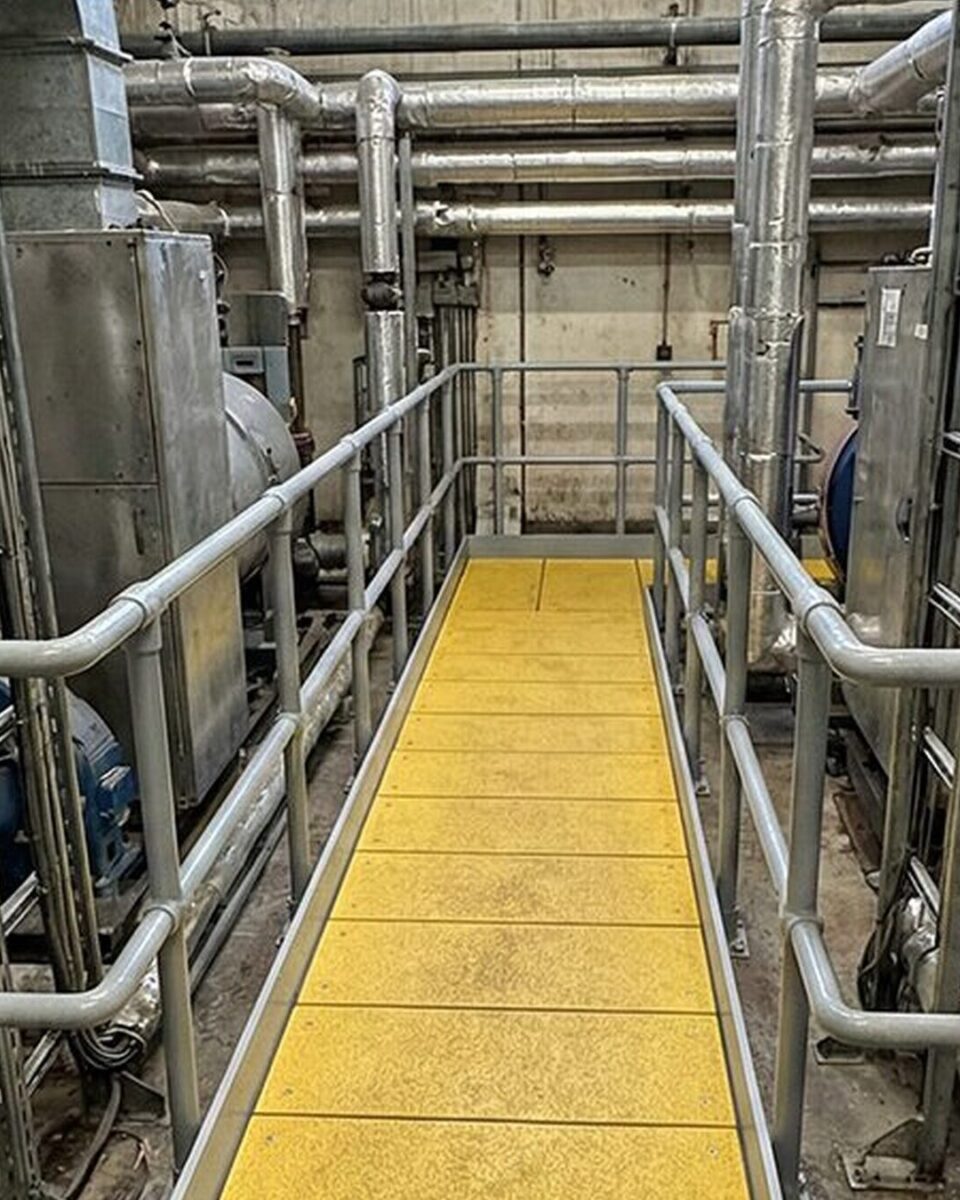
We build GRP platforms, stairs and step-overs at transformers, switchgear and cable routes, with guardrails and toe boards, so your engineers can reach the equipment without standing on it or on the cable trays.
-
02
Fixed ladders and handrails
We fit fixed GRP ladders, handrails and guardrails wherever your team works at height, in a material that does not conduct and does not rust outdoors.
-
03
GRP palisade fencing and gates
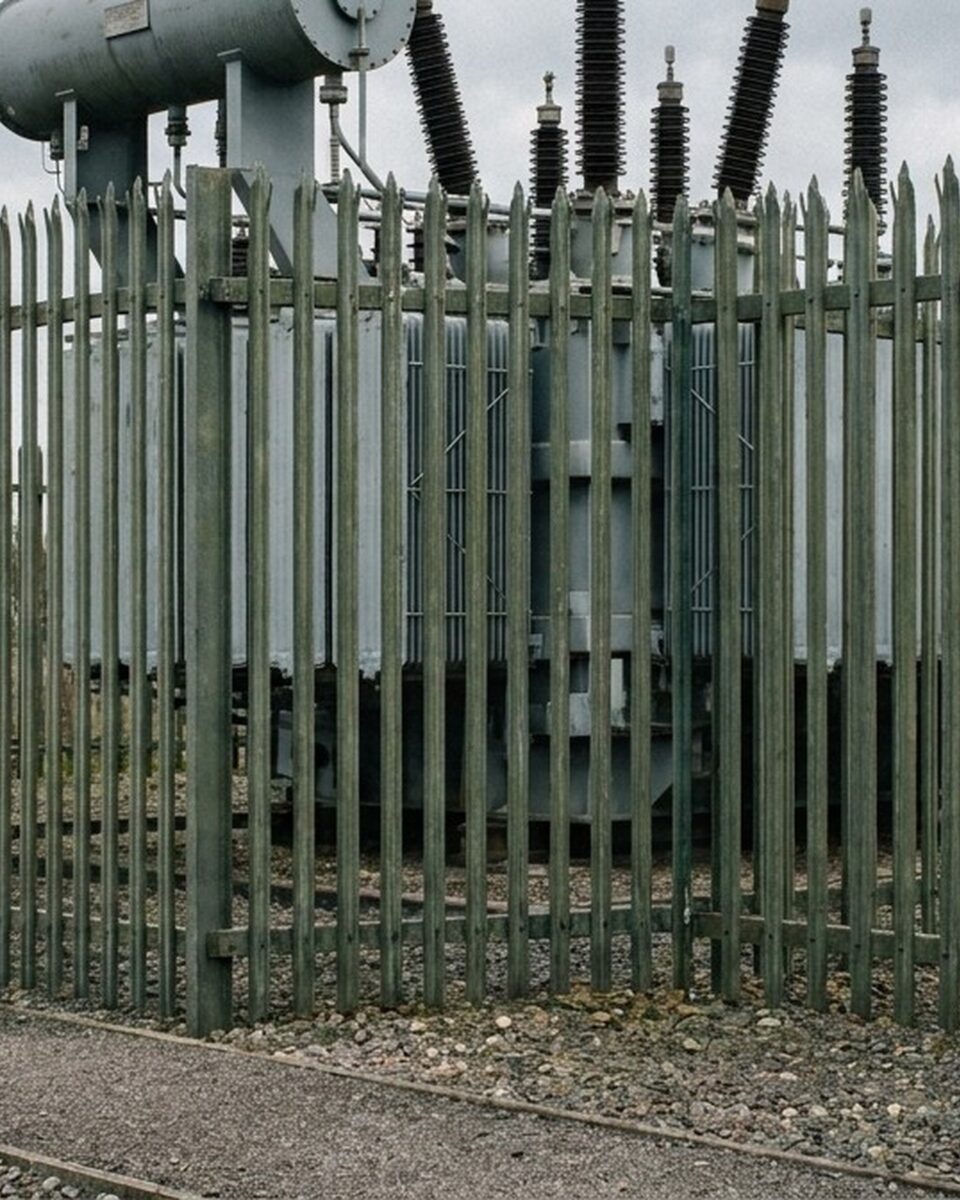
We survey the perimeter, specify the GRP palisade and fixings, make any steel mountings in our workshop, and install the fence and its gates with our own team.
-
04
Installed by our own site teams
Our own site teams install every job. Each job has an SSSTS-qualified supervisor, every operative holds a CSCS card, and the teams are PASMA and IPAF trained. We write a method statement for each job and plan the work around your site, out of hours where your programme needs it.

"I've worked with UIS for several years on some high profile and very complex projects. Their attitude and work ethic are second to none - providing high quality services and products which are delivered safely and on time every time. Overall they are a pleasure to do business with and wouldn't hesitate recommending UIS for any steelwork or metalwork packages."
Questions we get asked.
GRP does not conduct electricity, so a GRP platform, ladder or handrail near live equipment is not part of the electrical path. It also does not rust outdoors. Your electrical engineer still sets the clearances and the safe system of work.
Yes. We survey the perimeter, specify the GRP palisade and fixings, make any steel mountings in our workshop, and install the fence and gates with our own team.
GRP does not conduct, which is why it is used beside electrical equipment. Whether anything on your site needs earthing is your electrical engineer's decision, and we build the fence to their design.
Yes. We plan the fabrication so the site work fits the windows you give us, and our team works to a method statement under an SSSTS-qualified supervisor.
The Work at Height Regulations 2005 set the duty, and BS EN ISO 14122 covers platforms, walkways, stairs, guardrails and fixed ladders for access to plant. Electrical safety sits with your engineer under the Electricity at Work Regulations 1989.